Young adults with developmental disabilities face a ‘cliff’ after they graduate high school
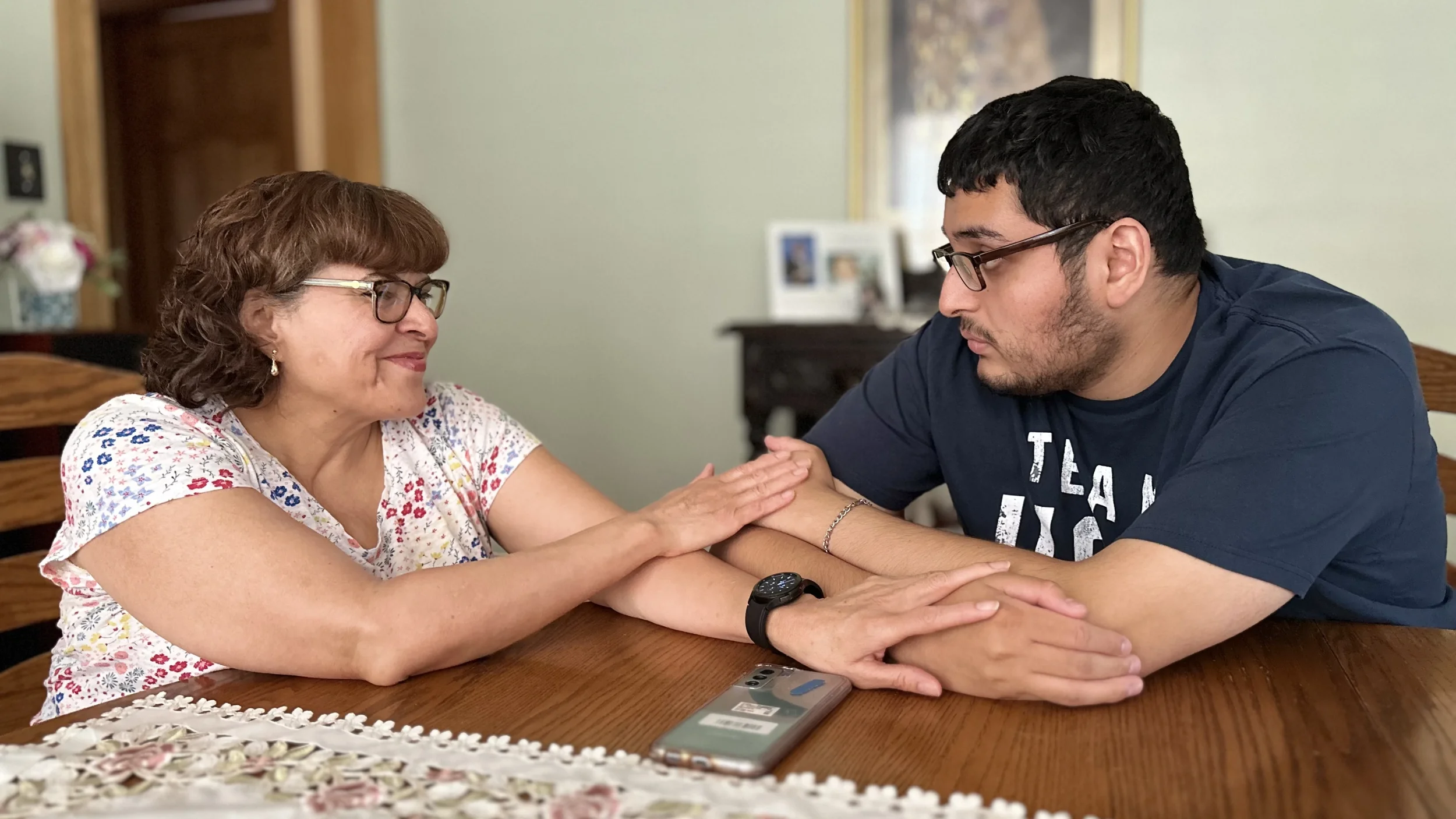
WBEZ / Esther Yoon-Ji Kang
Many young adults with developmental disabilities and their families in Chicago find themselves facing a daunting “cliff” after high school, as support systems and structured programs disappear once they graduate. Despite special education preparing students through age 22 with daily routines and life skills, families are often left to navigate a complex patchwork of agencies, long waitlists, and costly programs on their own.
The WBEZ report follows stories like that of 23-year-old Carlos Mejia, who struggles to find consistent work or meaningful activities post-graduation, and highlights broader systemic challenges — including funding delays, confusing resources, and limited adult services — that can leave tens of thousands of young adults without the support they need.