'Disability cliff' awaits many young adults after high school
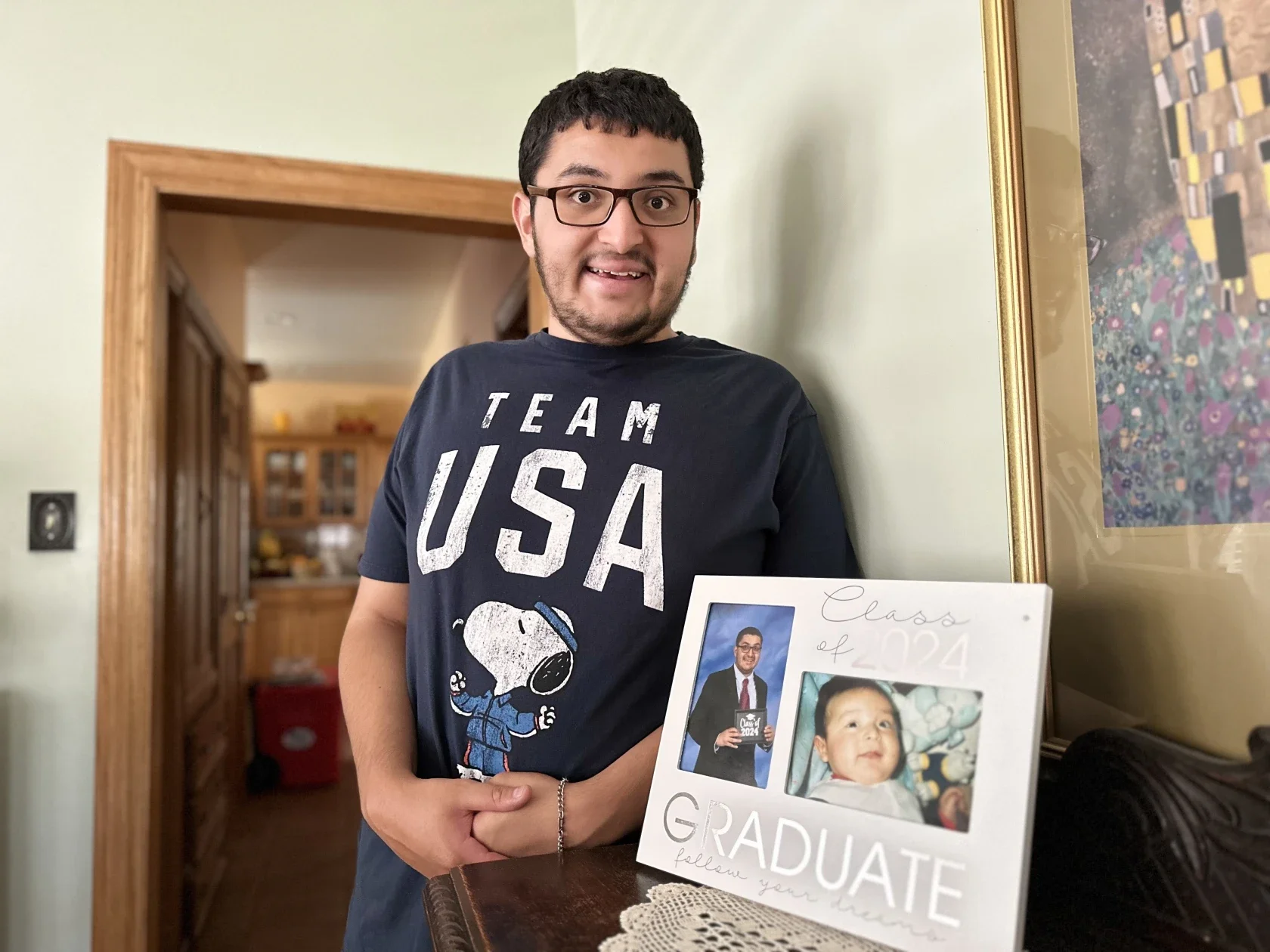
WBEZ / Esther Yoon-Ji Kang
Young adults with developmental disabilities and their families often face a sudden loss of structure and support after graduating from high school, a transition commonly referred to as “the cliff.” According to reporting from the Chicago Sun-Times, services guaranteed through special education end at graduation, leaving many families scrambling to find adult day programs, employment supports, or community-based services amid long waitlists and confusing systems.
The article offers practical guidance for families navigating this transition, emphasizing early planning, connecting with state agencies before graduation, and exploring a mix of employment, volunteer, and day-program options. Advocates stress that without systemic changes and increased funding, many young adults risk isolation and stalled independence at a critical stage of life.